10th International Conference on Social Research & Innovation

Tides of Transformation: Shaping Sustainable Futures

08-09 August 2026
Villa College, QI Campus

Abstract Submission Deadline

Days

19 Sun Apr 2026

Full Paper Submission Deadline

Days

30 Tue Jun 2026

Conference Registration & Payment Deadline

Days

22 Wed Jul 2026

About ICSRI
Conference Theme
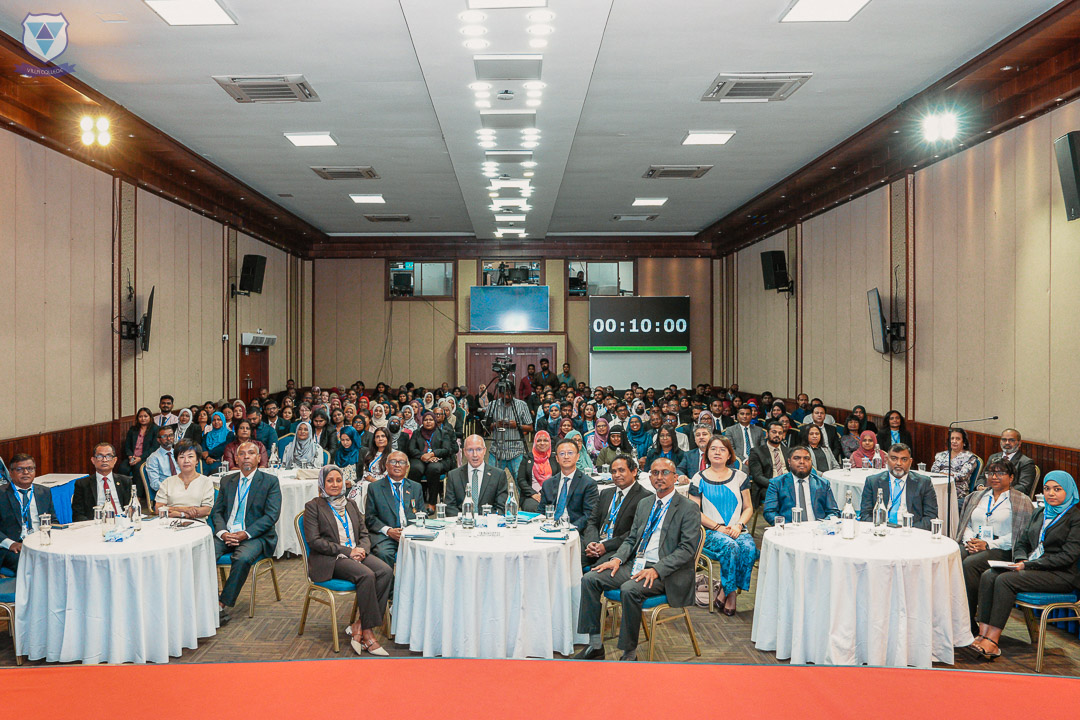
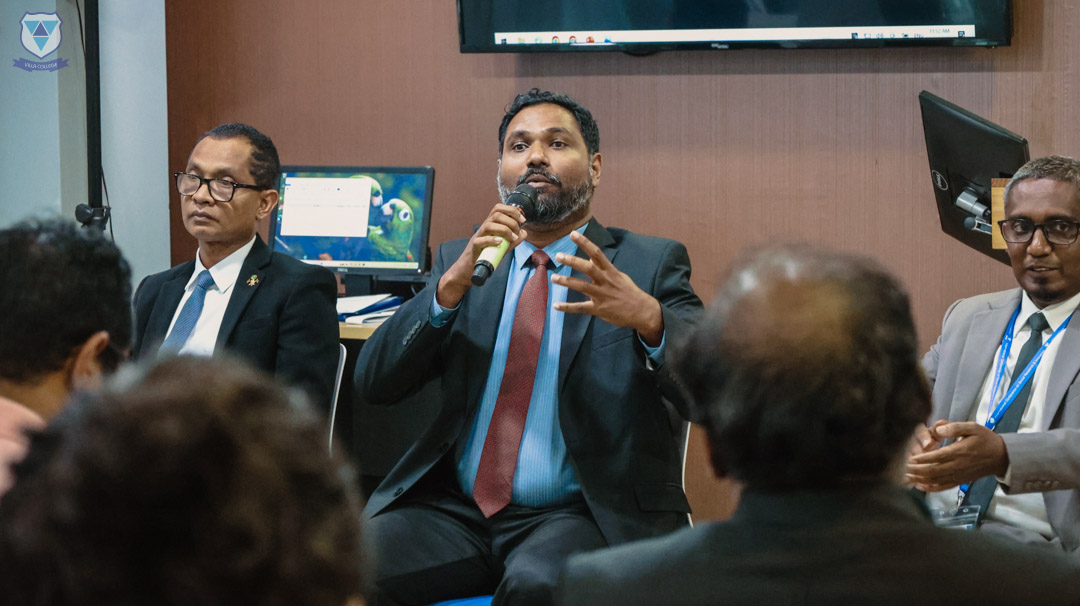
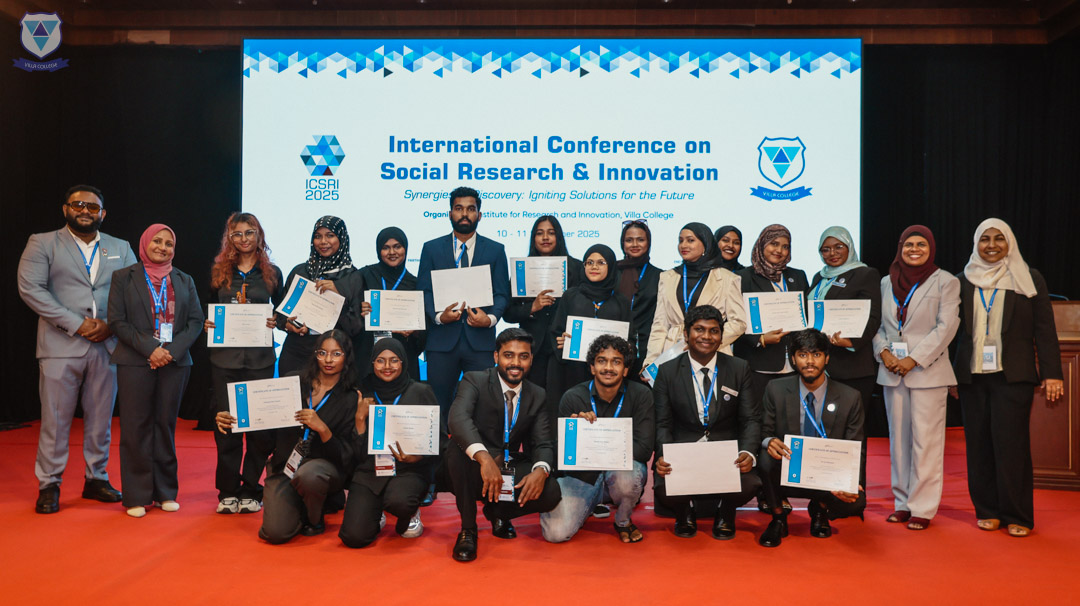
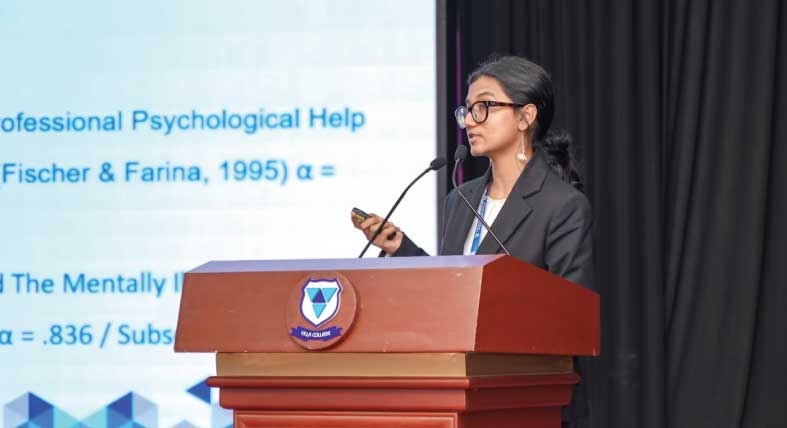
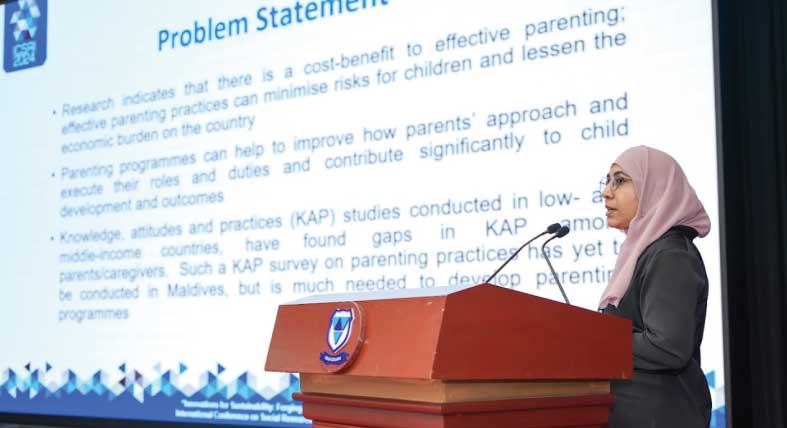
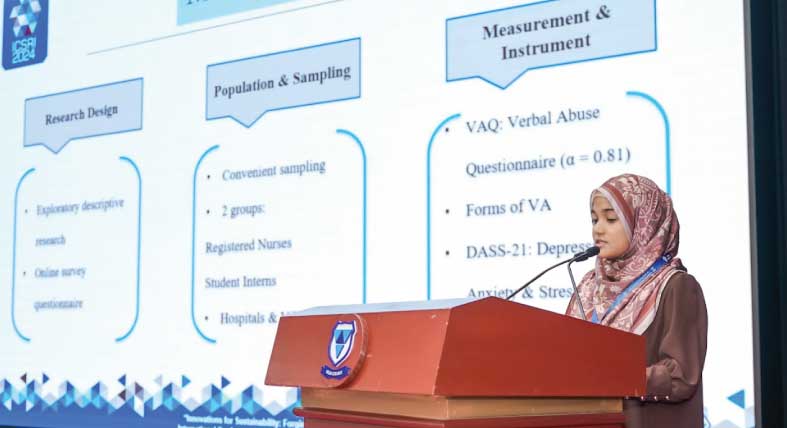
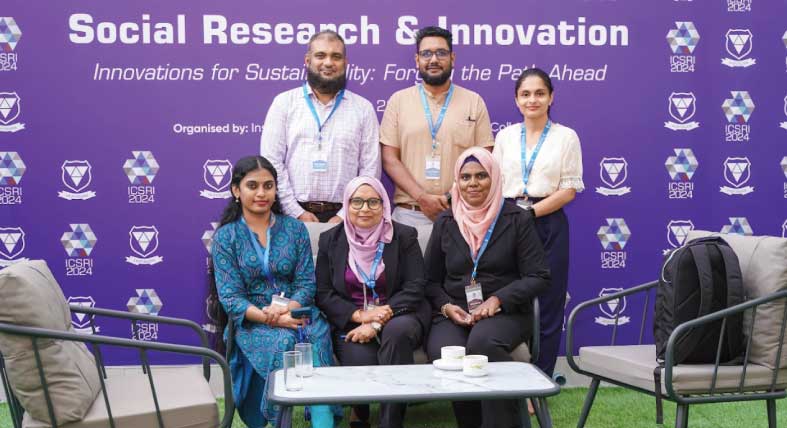
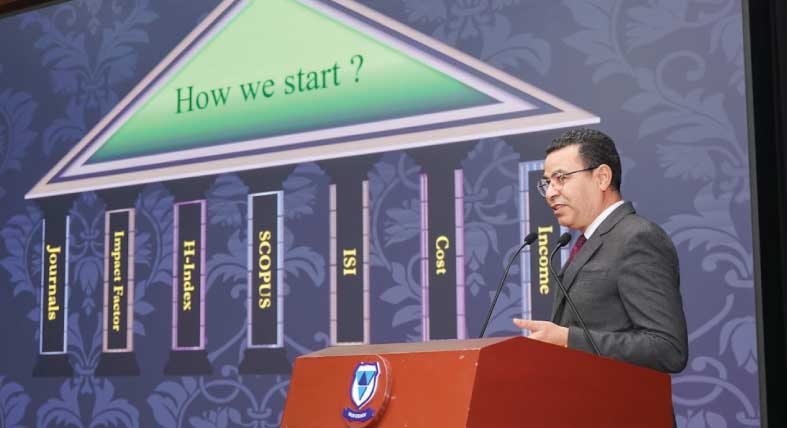
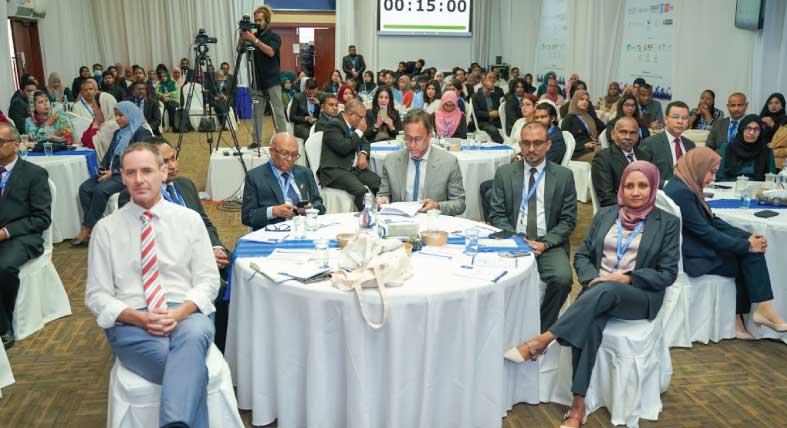
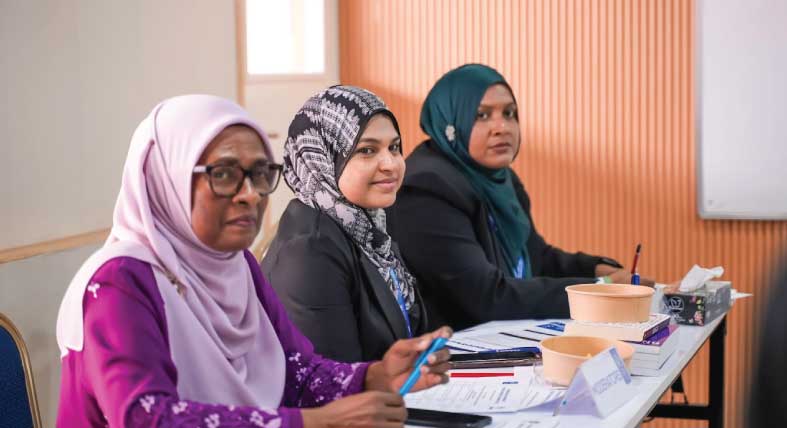
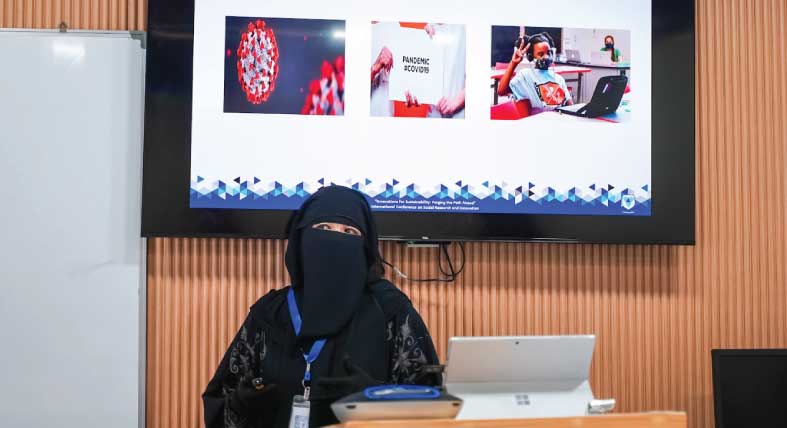
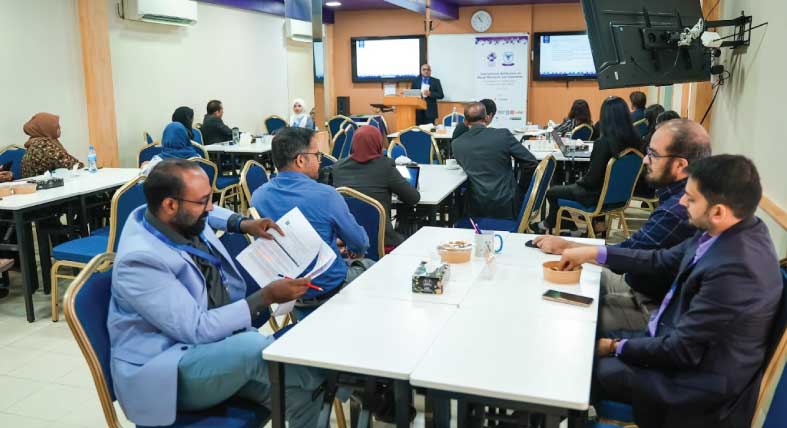
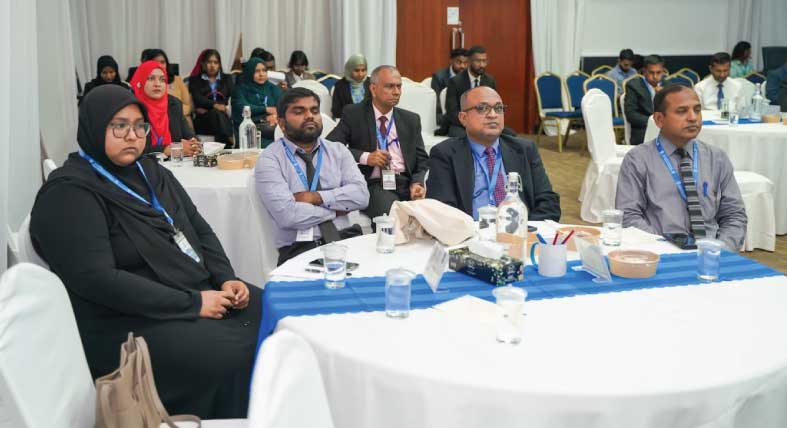
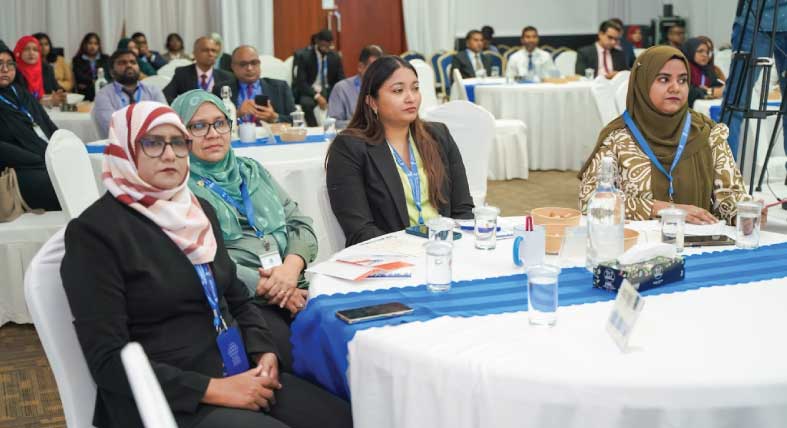
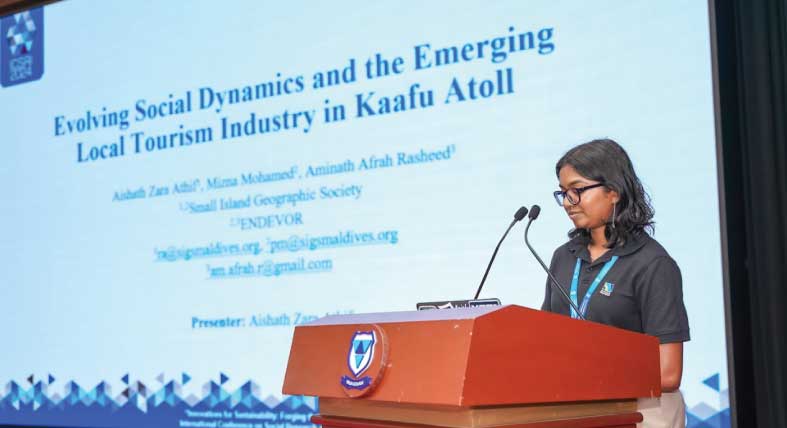
The International Conference on Social Research and Innovation (ICSRI) is an annual research conference organised and hosted by the Institute for Research and Innovation (IRI), Villa College in Male’, Maldives. The two-day conference aims to provide a platform for participants from diverse backgrounds, whether in academia, industry, or civil society, to share their knowledge and experiences on the multifaceted aspects on social innovation. The conference will provide a platform for dialogue and collaboration to address the most critical challenges, from climate change and resource management to social equity and responsible technology adoption.

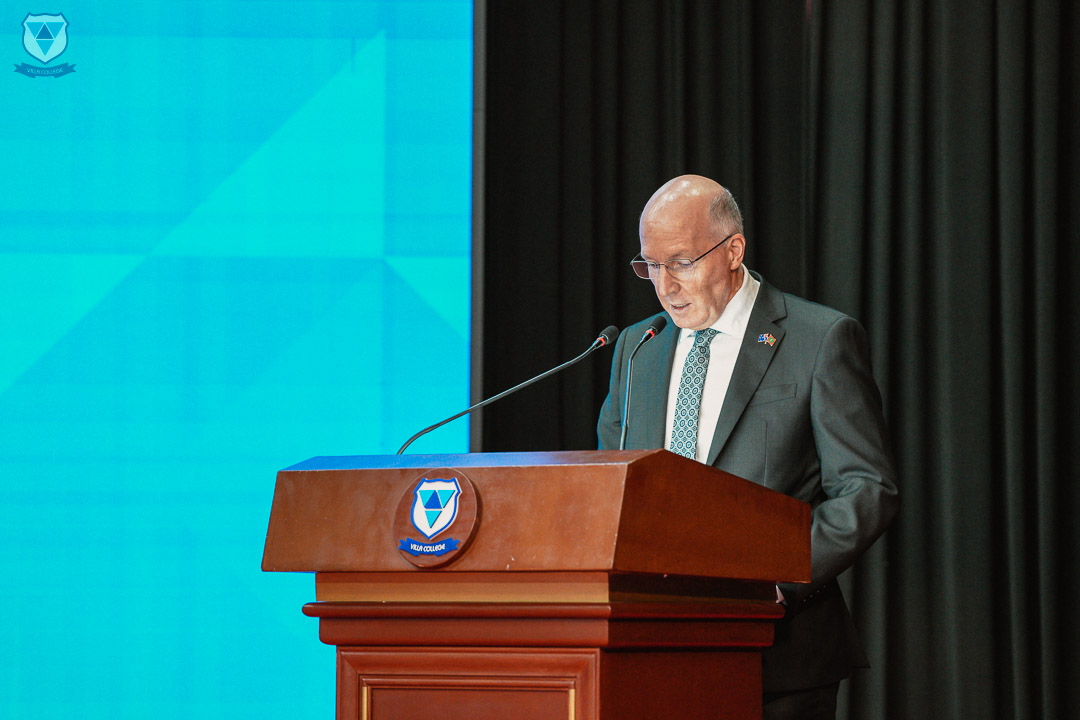
Chief Guest and Opening Keynote Speaker

Stay Tuned for Updates!

Keynote Speakers

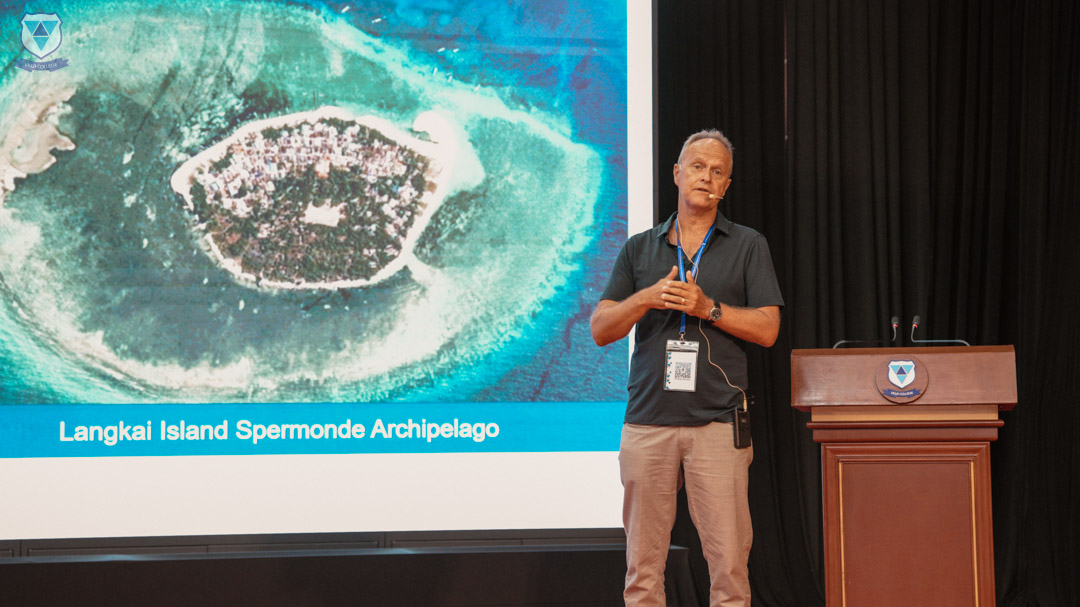
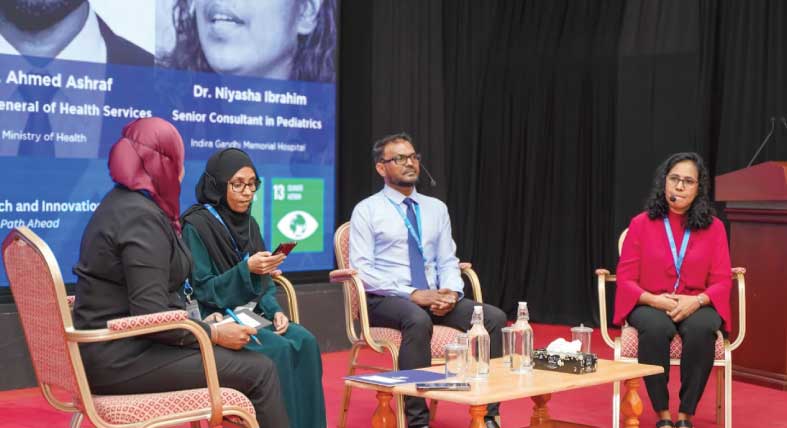
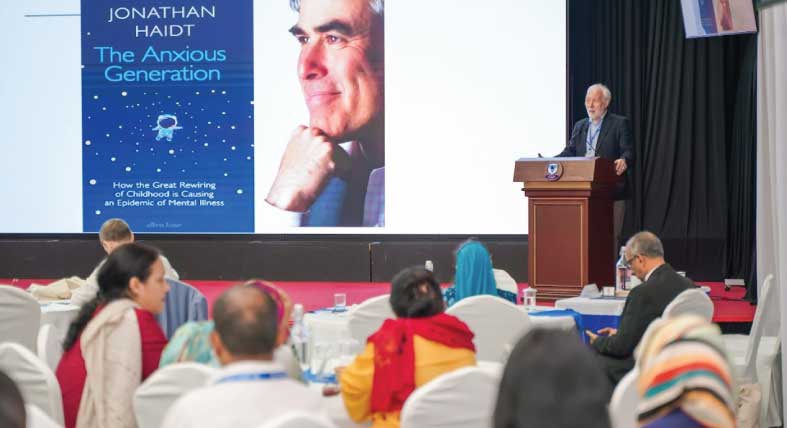
The International Conference on Social Research and Innovation showcases prominent keynote speakers and thought-provoking panel discussions, offering participants a valuable opportunity to acquire knowledge, establish connections, and delve into popular discourse within the industry. Both local and international experts from within the industry will present enlightening and interactive sessions and panel discussions.

Stay Tuned for Updates!

Programme Guide

Stay Tuned for Updates!

Notable Dates

19 Apr

2026

Abstract Submission Deadline

17 May

2026

Abstract Acceptance Deadline

21 May

2026

Early Bird Registration Deadline

30 Jun

2026

Full Paper Submission Deadline

22 Jul

2026

Conference Registration & Payment Deadline

Conference Registration Fees

Take advantage of early bird offer and get more than 20% off from the normal registration fee.

Physical
Online

VC Students

Early Bird Registration

MVR 250

Regular Registration

Till 01 Jan 2026

MVR 300

Villa College/VIHS Staff

Early Bird Registration

MVR 450

Regular Registration

Till 01 Jan 2026

MVR 500

Local/permit holders

Early Bird Registration

MVR 600

Regular Registration

Till 01 Jan 2026

MVR 775

International (USD)

Early Bird Registration

USD 125

Regular Registration

Till 01 Jan 2026

USD 175

Local Students

Early Bird Registration

MVR 450

Regular Registration

Till 01 Jan 2026

MVR 500

Conference Tracks

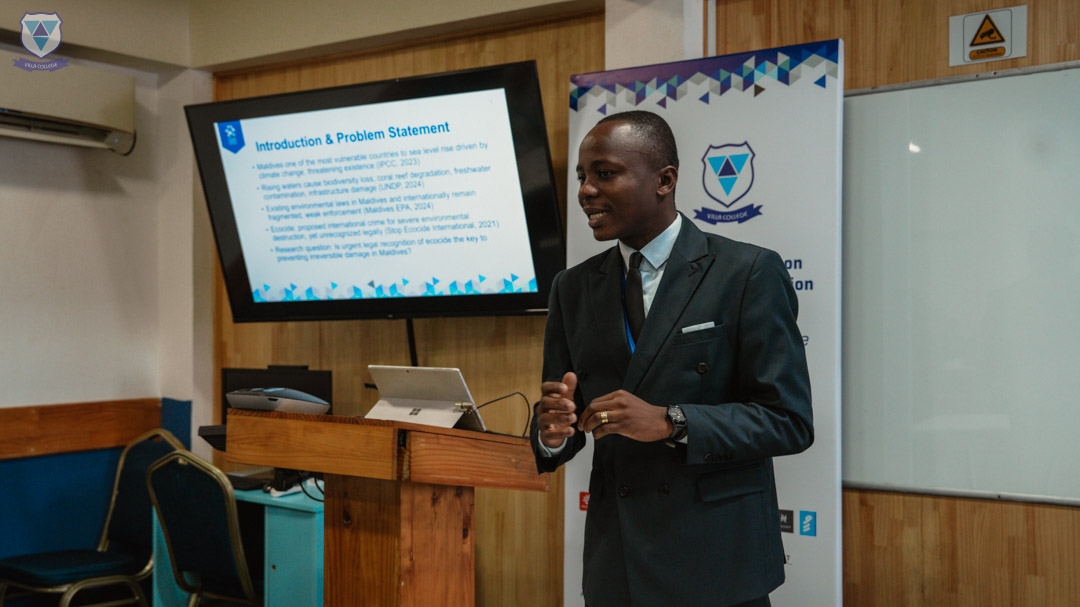
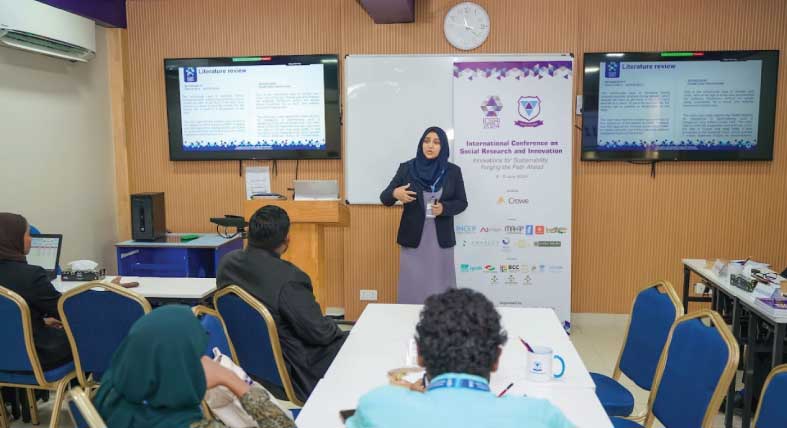
The International Conference on Social Research and Innovation invites students, academics, researchers, and experts from diverse backgrounds, including various agencies, colleges, universities, research institutions, as well as government and private sector professionals. We welcome your contributions, be it research findings, tactical strategies, technical innovations, cutting-edge technologies, or best practices that addresses the pressing need for groundbreaking solutions to the complex issues of our time. All submitted abstracts and papers will undergo a rigorous and impartial review and assessment process by our Evaluation Committee, comprising esteemed journal editors and domain experts. Successful authors will have the opportunity to present their papers at the conference as invited speakers.

Authors and presenters can select from a choice of eight thematic categories. We encourage you to thoroughly explore all the categories and choose the one that best aligns with your abstract's focus.

1

Transformative Digital Futures and Ethical Technologies

Moves beyond adoption to critically examine ethical, inclusive, and culturally grounded digital transformation, AI governance, automation, cybersecurity, and tech equity that support sustainable societal growth

2

Legal Systems, Public Policy, and Social Transformation

Focuses on how legal frameworks, judicial processes, and policy instruments can adapt to rapid social, technological, and environmental change while advancing regulatory innovation, rights protection, access to justice, public accountability, and the legal foundations of inclusive and resilient development

3

Digital Learning, Cultural Expression, and Transformative Education

Examines how curriculum, teacher practice, and digital learning can engage culture, memory, and storytelling to expand access, deepen learner engagement, and cultivate resilient identities and empowered, future-focused communities

4

Social Innovation for Equity, Inclusion, and Human Dignity

Highlights new models of social care, policy interventions, social entrepreneurship, and community empowerment that strengthen belonging, equity, and social justice

5

Integrated Health Systems, Clinical Practice, and Workforce Resilience

Examines how nursing, pharmacy, and laboratory sciences strengthen patient-centred care, medication safety, diagnostic quality, and public health preparedness through interprofessional collaboration, ethical practice, workforce wellbeing, and evidence-based approaches that support resilient and equitable health systems

6

Circular Economies, Renewable Energy, and Low-Carbon Transitions

Discusses scalable renewable systems, waste-to-resource innovation, energy sovereignty, and circular production models supporting carbon-neutral futures

7

Equitable Workforces and Empowered Communities

Explores policies and practices that support fair employment, inclusive leadership, gender-transformative approaches, and the active participation of youth and underserved groups in shaping sustainable and just futures

8

Circulating Communities and Adaptive Mobility

Explores internal and cross-border movement, ties, and population shifts, alongside housing, service distribution, and planning strategies that support decentralised development, equitable access, and community continuity across islands

Call for Abstracts

Paper Types

  • Research Papers: Research including primary and/or secondary data collection and analysis, presenting clear findings and conclusions.
  • Review Papers: Comprehensive reviews existing literature (systematic, bibliometric, scoping, etc.), analysing trends, gaps, and future directions in the field.
  • Case Studies: Detailed examinations of specific cases, illustrating practical applications or unique insights relevant to the field.
NOTE: Abstracts without any findings or conclusions will not be accepted. Abstracts should clearly outline the research objectives, methods, findings, and conclusions.

Presentation

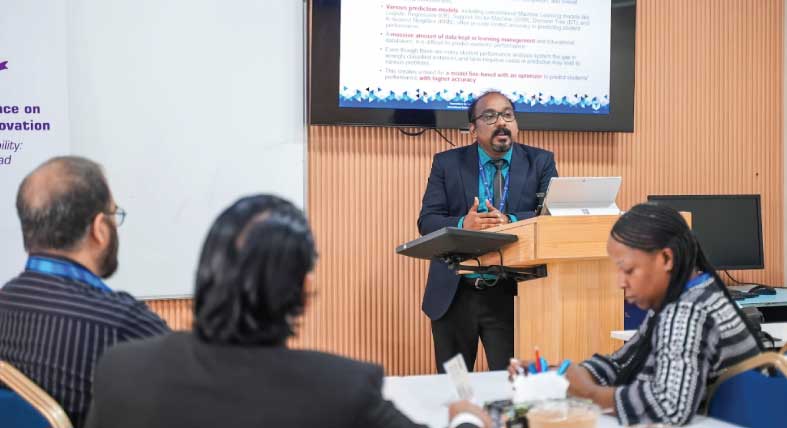
  • Each paper will be allocated 15 mins, which includes time for the paper presentation.
  • Papers will be grouped into sessions according to common themes or ideas aligning with conference tracks.
  • Once the abstract is accepted, at least one author should complete registration to present the paper. Non-presenting co-authors need to complete registration to attend the conference.
  • Download the Instruction Manual-1 for more details.

Best Presenter Award

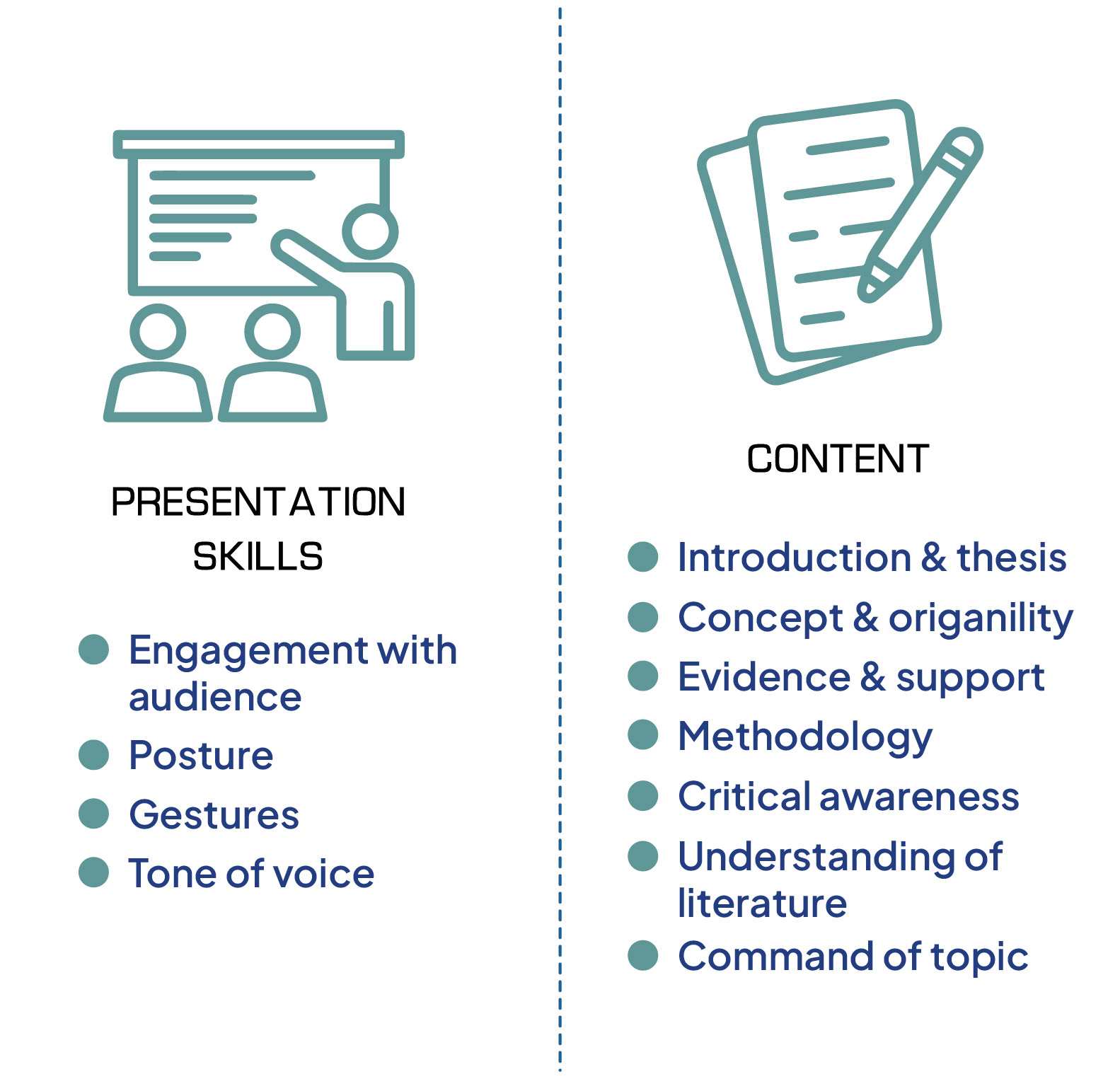
All paper presentations at ICSRI 2026 will automatically be considered for the Best Presenter Award. This award is given to the presenter(s), not all the authors.
Awards will be presented in two caregories:
  • Novice Researcher: A researcher/industry expert/individual at the master's level who possesses a solid foundation in their field. While equipped with research experience, they are in the early stages of building their scholarly identity.
  • Career Researcher: A researcher/industry expert/individual at the Ph.D. level, in the early stages of their career, who has achieved a significant milestone in academic attainment. Recognised for their potential and early accomplishments, these researchers demonstrate a commitment to advancing knowledge and making a lasting impact in their chosen area of expertise.

Review Process and Templates

All abstracts for Individual papers and/or Posters are subject to a peer-review process by the technical committee, facilitated by ICSRI 2026 reviewers. The review process is intended to:
  • Ensure rigour and quality of research within the conference presentations.
  • Support alignment with specific SDGs and the conference tracks.
  • Determine the most appropriate format of presentation for the paper (e.g.,individual paper or poster).
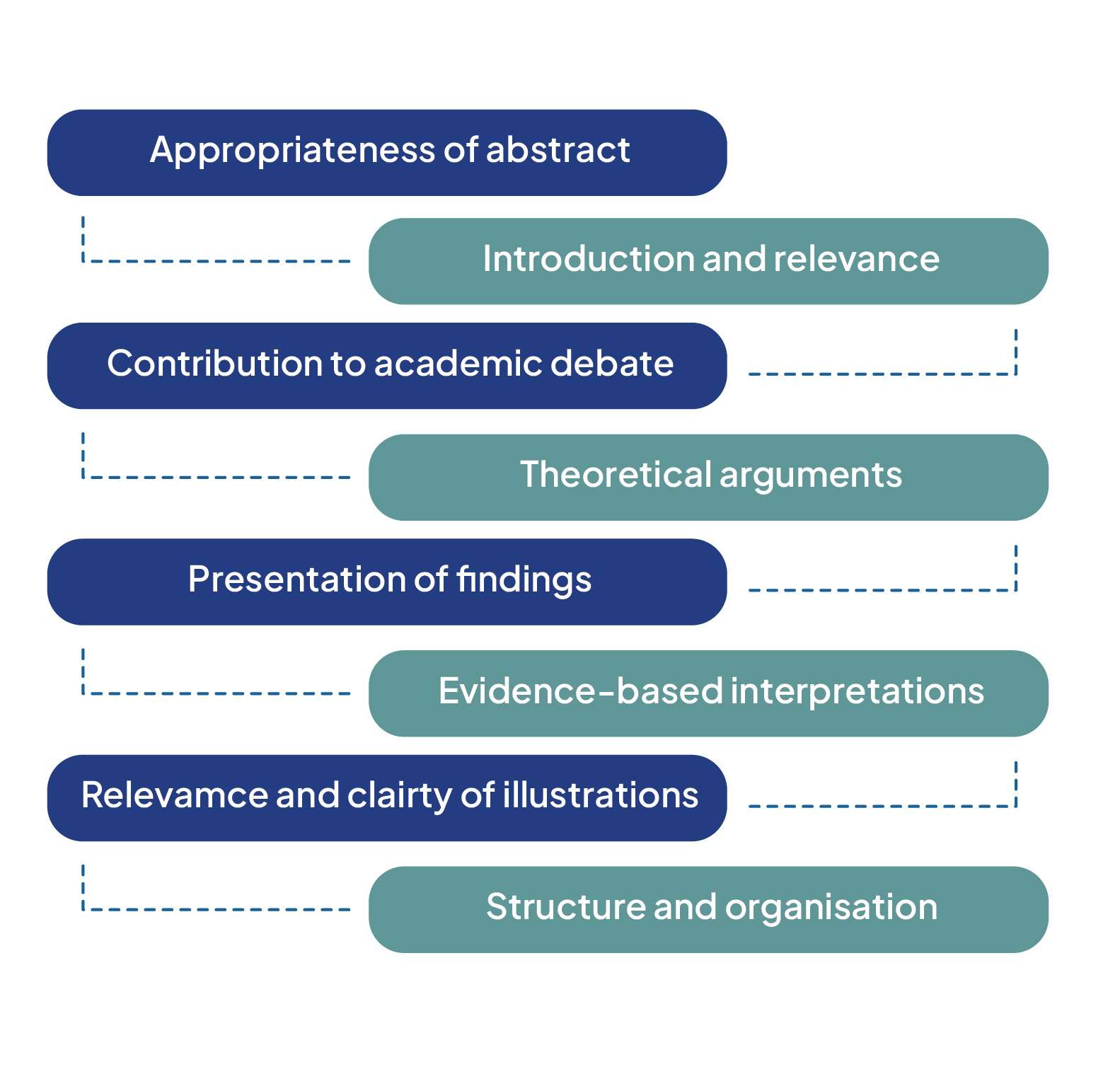
Abstracts will be reviewed using the following criteria:
  • Relevance to ICSRI 2026 conference theme.
  • Contribution to specific research field/s and scholarly contextualization.
  • Clarity of writing and appropriate language use
  • Relevance to identified SDG/s and conference track.
The Reviewer will make one of the following decisions:
  • Accept as it is
  • Accept, with editing required for clarity
  • Revision Required, submit with revisions suggested by reviewers
  • Rejected on basis of not satisfactorily meeting the stated review criteria.
Where there is a discrepancy between the reviewers, the Technical Committee Chair will adjudicate for a final decision.
**All abstracts should be written in MS Word format (DOC or DOCX) templates provided (available for download below). Save your abstract using this format: “ICSRI2026_yourLastName.doc”.

Templates

Full Paper Submission

ICSRI 2026 is committed to fostering original research, enhancing research quality, and solidifying its position as a premier international research event in the Maldives. This conference serves as a dynamic platform for scholars, practitioners, and innovators to engage in meaningful discussions and contribute to impactful research.

Important Notes:

  • Full paper is NOT MANDATORY. For authors who choose to submit full papers, submitted papers will be considered for the ‘Best Paper Award’ and will receive valuable expert feedback. Please note that feedback will only be released upon conference registration.
  • ONLY full papers of the accepted abstracts should be submitted online through the ICSRI 2026 website portal, following the prescribed format.
  • Enjoy a range of exciting publication opportunities. Check out ‘publication opportunities’ for more details.
  • Download the Instruction Manual-2 for more details.

Submission Process:

Full papers must be submitted online through the ICSRI 2026 website portal, following the prescribed format available in the downloads section.

Join us at ICSRI 2026 and be part of a transformative research experience!

Publication Opportunities

We are dedicated to supporting authors throughout every phase of their research publication journey. To ensure your research reaches the right destination, the 10th International Conference on Social Research and Innovation 2026 intends to expand its publication opportunities, supported by academic partners.

Publication Avenues and Support

  • Conference Abstract Booklet: ICSRI 2026 does not publish conference proceedings. Only short abstracts accepted for presentation will be published in the Conference Abstract Book.
  • Peer-Reviewed Journal (IJSRI): Full papers submitted by registered authors of ICSRI 2026 will automatically be considered for publication in Villa College Journal, International Journal for Social Research and Innovation (IJSRI). IJSRI is a peer-reviewed, indexed journal and does not charge any fees.
  • Scopus-Indexed Journals: Stay tuned for more details.
  • Manuscript development workshops and professional editorial support.

NOTE: Submission DOES NOT GUARANTEE PUBLICATION. Accepted submissions will follow a double-blind peer-review process of each relevant journal, and final publication decisions are determined solely by the respective journal’s editorial board.

Stay Tuned for Updates!

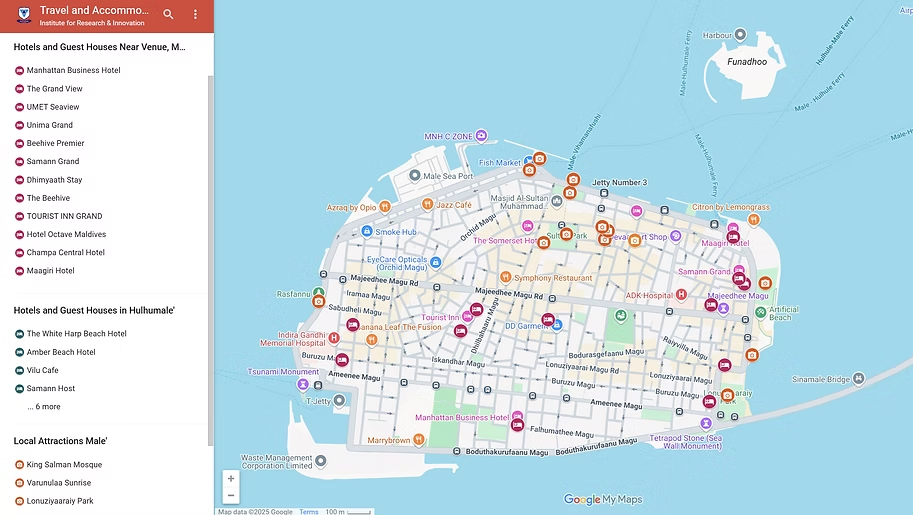
Conference Venue Location

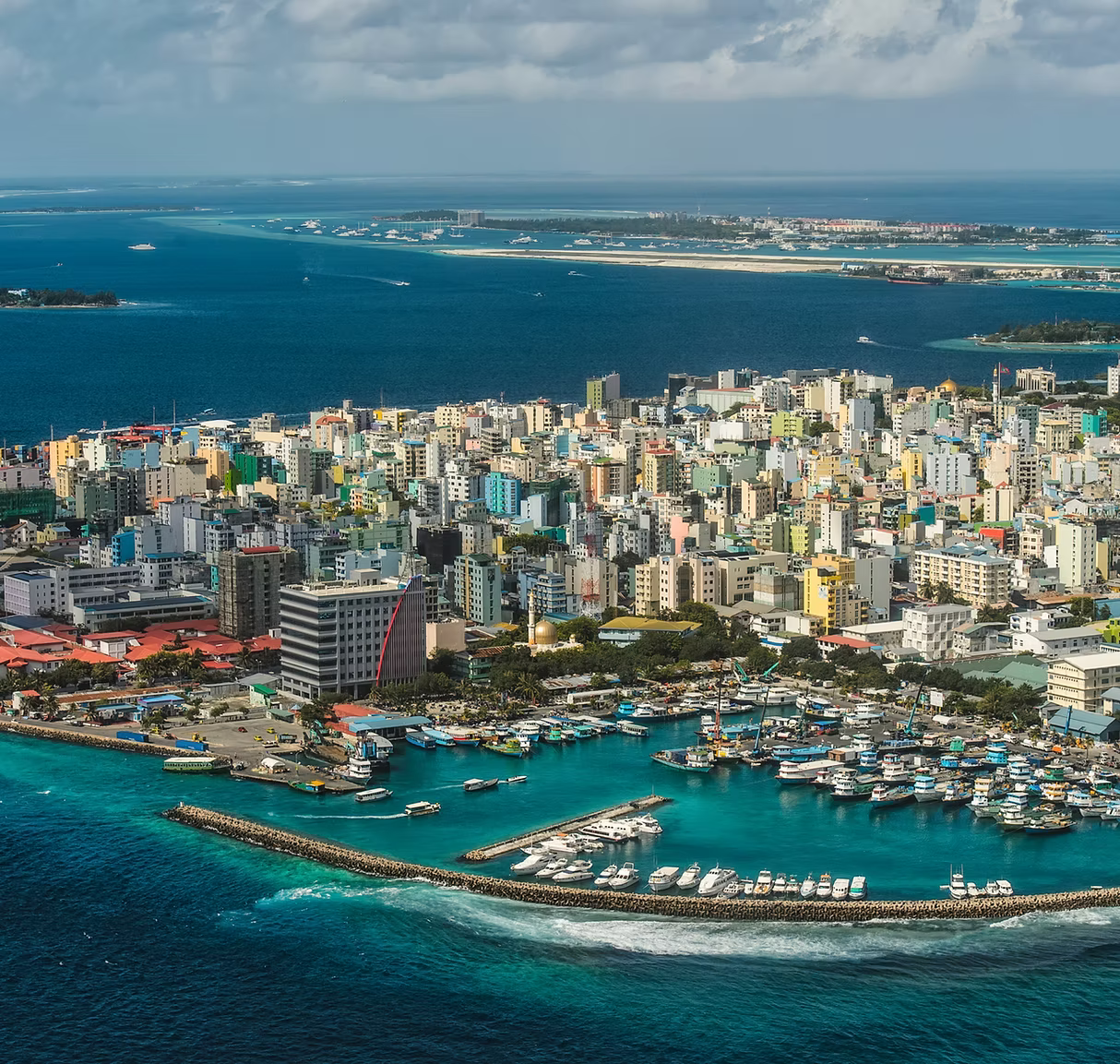
Malé, Maldives

Welcome to Malé

The Vibrant Heart of the Maldives

We are looking forward to seeing you at ICSRI 2026 in the Maldives.

The Maldives is an equatorial island nation in the Indian Ocean. Only 298 square kilometres of the country’s total area of 90,000 square kilometres is dry land.

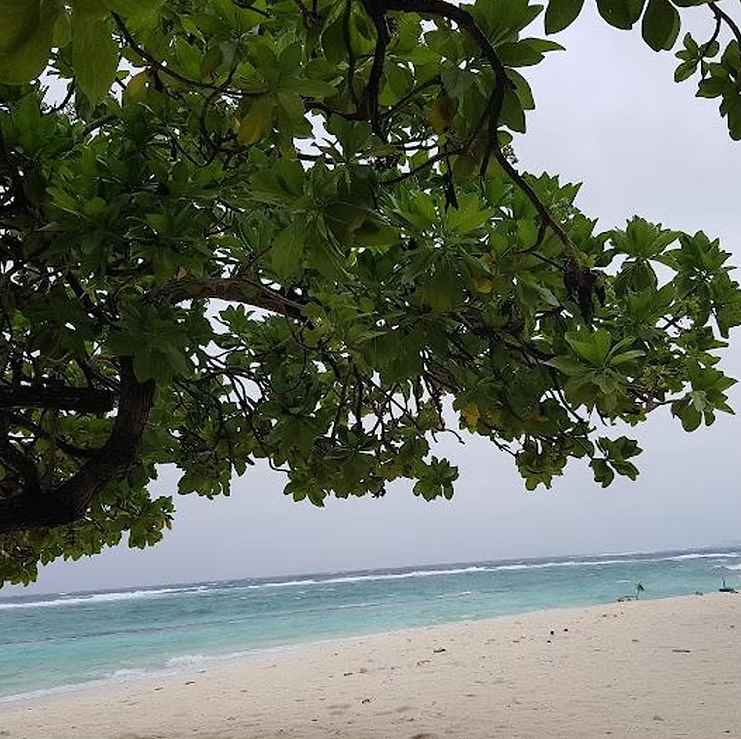
The Maldives is breathtaking not just above the ocean. About five per cent of the world’s reefs, from which both soft and hard corals form, are found in the Maldives. These reefs are known for their vibrant displays of colour. One thousand different types of fish reside on the reefs. Large pelagic fish like manta rays and whale sharks are also drawn to the Maldives by the abundance of nutrients carried in by the ocean currents

The Maldives enjoys warm and sunny weather around the year. The monsoon season surprises you with gentle rain showers from May to October but you can expect temperatures between 26 and 32 degrees Celsius throughout the year. Maldivian seas are also warm and clear throughout the year.

🌤️ See more details on the weather Maldives Meteorological Service

Visa: There is no visa restriction for tourists for 30 days for most nationalities.

Travel Declaration

The Traveller Declaration is a self-declaration form that is FREE of charge and must be submitted directly through the IMUGA portal. Please refrain from filling out the form on any other website, as they promote scams. All travellers must submit the Traveller Declaration within 96 hours of their flight time, both on arrival and departure.

Visit IMUGA
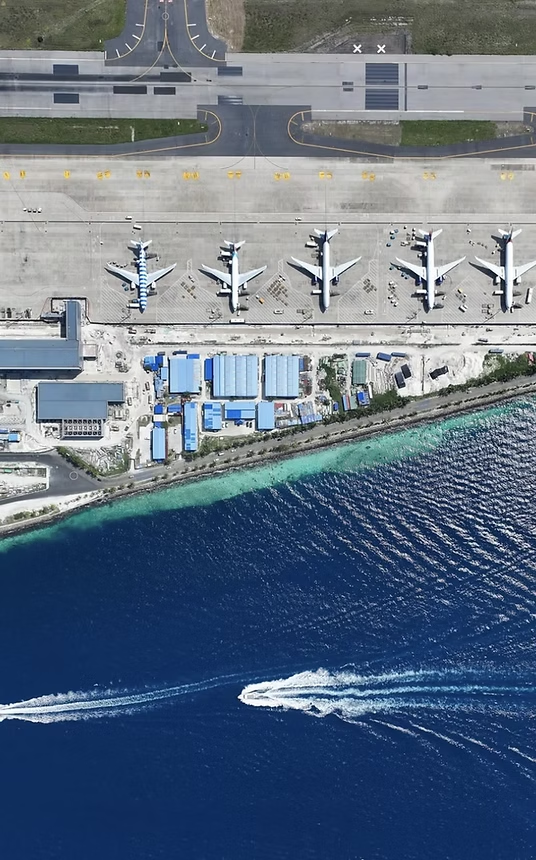
Velana Airport

Photo credits: @VelanaAirport

Airport

Velana Logo

Malé's ​Velana International Airport (MLE), also known as Malé International Airport is the main international gateway to the Maldives, located on Hulhulé Island in the North Malé Atoll, just a short distance from the capital city, Malé.

Malé is connected to the airport and the island of Hulhumalé by a bridge, making transfers quick and convenient—typically just a 10–15 minute taxi ride. Hulhumalé, a reclaimed island and a fast-growing urban extension of the capital, features residential zones, commercial centres, and a variety of beachfront accommodations for travellers.

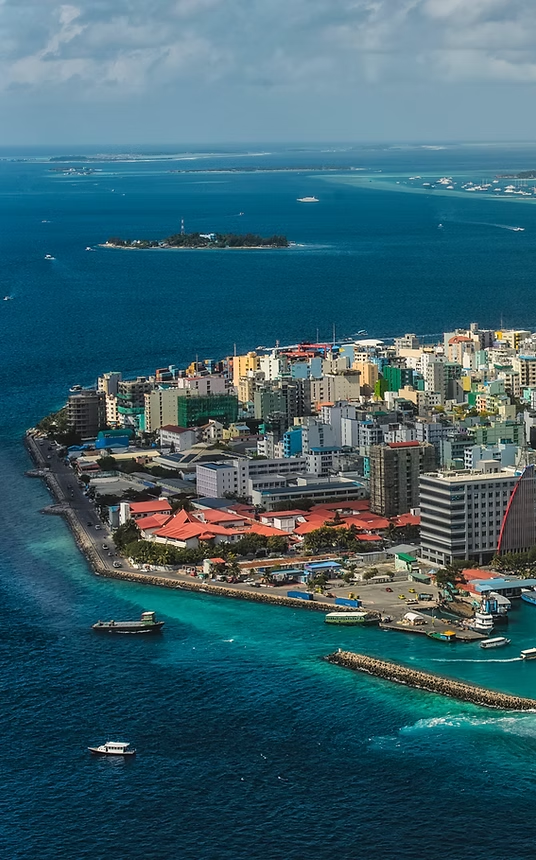
Despite its small size, Malé is a bustling urban hub with modern high-rises, a rich history, and ongoing development. It serves as the central transit point for visitors arriving in the Maldives.

Velana International Airport offers both international and domestic flights, connecting travellers to the country’s many resort islands and beyond.

Velana International Airport

https://www.macl.aero/
Malé City

Moving Around in Greater Malé Area

Greater Malé is the central hub for domestic transportation in the Maldives, making it an ideal base if you are deciding where to explore next. If you are staying at a hotel or guesthouse in the Greater Malé area, take the opportunity to experience the vibrant local lifestyle of urban Maldives. Domestic transport is affordable and accessible.

Public Transportation

Public transport in the Maldives is convenient and very affordable. You can easily travel within Hulhumalé, as well as to Velana International Airport and Malé. The island is connected to the airport via a causeway and to Malé via the Sinamalé Bridge.

Local Transport App (RTL)

Download the RTL App:

Use the app to purchase bus fares or pay onboard using a contactless card.

Taxi App

Download the Taxi App:

Please note: Taxi fares must be paid in cash. Approx. 1 USD = ~15.4 MVR (Maldivian Rufiyaa)

Discover More of Greater Malé

Malé 1

Malé

Explore Malé City

Malé City offers a range of cultural attractions, including museums, parks like Sultan Park and Lonuziyaarai Park, and two artificial beaches—Artificial Beach and Rasfannu Beach. The city is also home to numerous restaurants, fish markets, and souvenir shops, especially along Chaandhanee Magu, where you can browse for traditional Maldivian gifts to take home.

The Republic Square and the Presidential Palace are worth a visit if you are touring the capital. One of the best things about Malé is its compact size—cafés, restaurants, and shops are just around every corner.

If you are interested in cultural or religious landmarks, Malé is home to some of the most architecturally striking mosques in the country, each with deep historical significance. Step back in time at the 400-year-old Hukuru Miskiy, admire the iconic Grand Friday Mosque, or visit the newer King Salman Mosque

For a different kind of experience, head to the Varunulaa Raalhugandu area—a popular surfing spot. It features a nearby viewing platform, perfect for watching both professional and amateur surfers ride the waves.

Hulhumalé

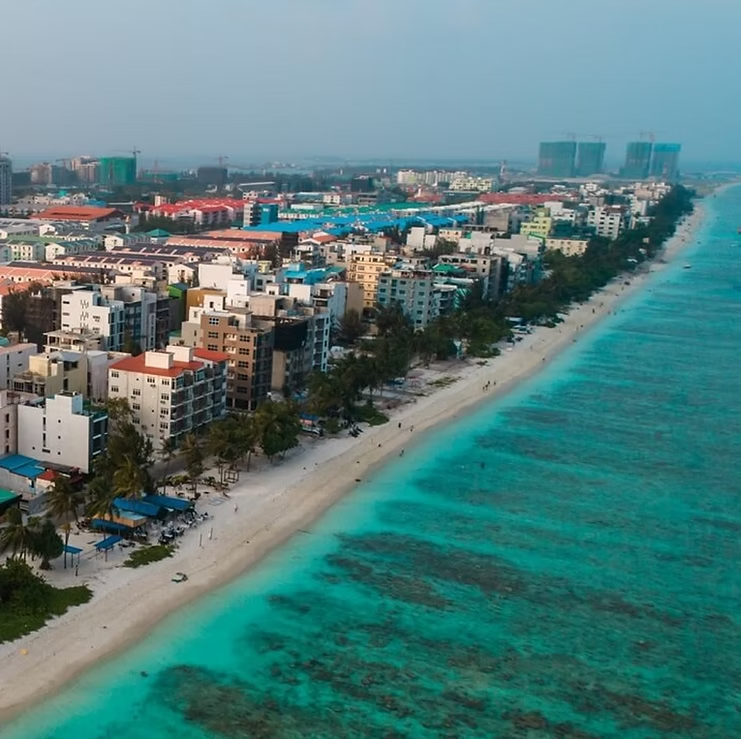
Hulhumalé is a ward of the capital city, but unlike Malé and Villimalé, it is not a natural island. Developed in 2000 as a planned urban extension, this artificial island was designed to ease overcrowding in the capital. Today, Hulhumalé is significantly larger than both Malé and Villimalé, featuring wider roads, a growing number of cafés, guesthouses, retail outlets, watersports centres, and various modern attractions. It is connected to Malé and the airport island via the Sinamalé Bridge—the only cross-sea bridge in the country.

Getting to Hulhumalé is easy. You can hop on a bus from the Maafannu MTCC Bus Terminal or any of the many bus stops around the city. Bus tickets cost approximately US$0.65–$0.97 (MVR 10–15). Alternatively, taxis are readily available, with fares ranging between US$4.89–$6.51 (MVR 75–100).

Once you arrive, there is plenty to explore. Hulhumalé is home to Hulhumalé Central Park, Centro Mall, a skate park, volleyball courts, and several beaches that stretch along the coastline. Water sports enthusiasts can rent equipment from diving and watersports centres located along the beach road. For accommodation, the island offers a wide selection of hotels and guesthouses—many situated along the waterfront—offering both day-use rooms and overnight stays, with friendly service and flexible arrangements.

Beach
Adventure

Villimalé

Villimalé (formerly known as Villingili) is a charming residential island and a ward of the capital city. One unique feature of Villimalé is its commitment to eco-friendly transport—fossil-fuel vehicles are not allowed. Only battery-powered or solar-powered vehicles are permitted, giving the island a quieter, greener atmosphere. The only way to reach Villimalé is via a designated ferry from the Villimalé Ferry Terminal in Malé. The journey takes about 10 minutes, with ferries departing every 10 to 20 minutes. A one-way ticket costs approximately US$0.65 (MVR 10.00), and return tickets can be purchased from the Villimalé terminal at the same price.
Villimalé offers the perfect balance between city convenience and island tranquility. Compared to Malé City, the island features noticeably more greenery and open space. There are two main beach areas to enjoy: the Lovers Beach area, known for its deeper waters and water sports centres, and the Villimalé Public Beach, which has shallow waters and a scenic view of the capital. For those looking to unwind with a meal by the sea, there is a BBQ point with nearby shops that offer all the essentials for grilling meat or freshly caught fish. The island also has a few guesthouses, as well as cafés and restaurants serving a variety of local and international dishes.

Gallery

Contact Us

Address

Villa College, VC QI Campus,

RahDhebai Hingun, 20373, Male', Maldives.

Phone Number

3303-200 3033-371
Annual research conference organised and hosted by the Institute for Research and Innovation (IRI), Villa College in Male’, Maldives
© Copyright Villa College 2018-2026. All Rights Reserved